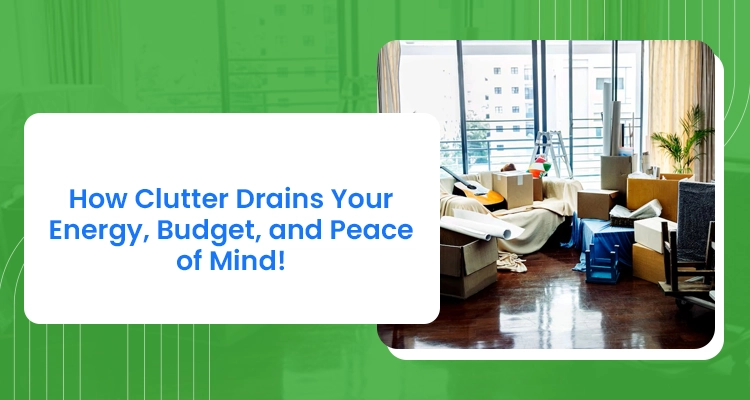
Have you ever walked into a room and instantly felt overwhelmed by the chaos? Perhaps it’s unopened piles of mail and closets full of clutter, or even random objects dominating your kitchen counters. Though clutter may seem minor, it can significantly impact your health, financial well-being, and overall quality of life.
In our fast-paced society, we tend to keep things that we do not need and believe they’ll be useful “someday.” But that “someday” rarely comes. In the end, we’re surrounded by clutter that disconnects us from our lives in myriad ways. It is time to look into how clutter eats away your time, energy, and peace of mind and how eliminating it could change your lifestyle.
1. Clutter Zaps Your Energy
Your surroundings influence your mood and how you function. If your home is filled with unnecessary items the brain must deal with more stimuli. This may lead to a sensation of being overwhelmed. In simple terms, clutter can be mentally draining.
Visual Overstimulation
Clutter bombards your visual senses. Every object, pile, or item out of place is a new demand for your concentration. The constant distraction makes it more difficult for your brain to concentrate and can fatigue your mind, even if you’re unaware.
Decision Fatigue
Did you spend just 10 minutes looking for your keys or rummaging through your drawers to locate the pen? Clutter in your home can complicate daily tasks. Each time you’re required to decide what you should keep, where to store something, or how to get what you want, you take a bit more of your energy.
Stress and Anxiety
Untidy homes can raise the levels of cortisol, which is a hormone associated with stress. In time, the continual anxiety of clutter could affect your mood, sleep and work. Instead of feeling refreshed in your home, you could find yourself feeling trapped and anxious.
2. Clutter Costs You Money
It doesn’t just take up space in your home—it also drains your budget. If it’s because of multiple purchases, or the hidden maintenance costs The financial burden of clutter can add up quickly.
Buying Duplicates
If you can’t find your phone’s charger, you buy another one. If you lost your favourite black sweater, you would purchase a replacement. It’s easy to forget the things you already have, and this can result in unnecessary expenditures.
Storage Costs
A lot of stuff usually means more storage. There are many options to buy additional storage shelves, containers, or lease a storage space to house items that you seldom need. Although these costs may seem minor, they can add up over time and drain the budget.
Missed Opportunities
Have you ever misplaced the receipt in a heap of paper and had to pay an overdue fee? Did you miss returning a product due to the fact that you didn’t have the receipt? Disorganizedness can result in late deadlines, penalty fees as well as a waste of money.
Reduced Home Value
A home that is cluttered can lower its value. If you’re looking to sell the space, it appears less spacious and appealing to potential buyers. It could also cost the seller thousands of dollars in unreturned offers.
3. Clutter Steals Your Peace
One of the most overlooked effects of clutter is its impact on your family’s peace and well-being. The clutter in your home may seem like a perpetual reminder of unfinished projects as well as a lack of attention to responsibilities.
Emotional Weight
Every object in your home has a certain emotional significance. The old clothes that no longer fit or serve a purpose, items that are sentimental that are from broken relationships or unopened boxes from your previous relocation–all can bring emotions of regret, guilt or sorrow. Accumulated clutter can be a reflection of unresolved feelings.
Hindered Relaxation
It’s difficult to unwind with a bustling environment. Clean spaces encourage tranquility and help relax your mind and body. If your environment is calm and peaceful, your mind is able to relax, which makes it easier to enjoy restful sleep.
Relationship Tension
The clutter can cause friction among roommates or family members. Conflicts over cleaning, missing things, or overdue chores are usually a result of messy spaces. As time passes, the stress may affect your life at home and your relationships with others.
4. Decluttering as a Form of Self-Care
What’s the good news? You have the ability to make your living space better and, while doing that, you can change your lifestyle. It’s not just about having a tidy home. It’s also a way of taking care of yourself that lets you regain your space, time, and even your mental well-being.
Start Small
Start with one drawer, a table, or a space. Focus on progress, not perfection. Letting go can be empowering and revitalizing.
Set Goals and Boundaries
Decide what truly matters to you and your lifestyle. You should only keep the items you need for a reason or that give you pleasure. Recycle, donate, or throw away the remainder. By setting boundaries, you create a home that aligns with your values.
Maintain the Habit
The clutter doesn’t come back all at once. It’s more of a slow process. Establish habits such as the “one in, one out” rule (for each new thing that you take home, get rid of the other), periodic decluttering sessions and being mindful when purchasing.
Final Thoughts
The burden of clutter affects much more than just your physical space. It consumes your energy, finances, as well as your tranquility. However, by taking small but conscious steps to cut down on chaos, you’ll be able to open the way to peace as well as calm and financial stability.
Your home should serve as your sanctuary and not be an area of tension. Decluttering isn’t about being a minimalist or achieving perfection; it’s about creating an area for living the life that you really want to live. Therefore, take a deep breath, grab a donation box, and get started making way for a more energized, peaceful, and financially mindful version of yourself.